

















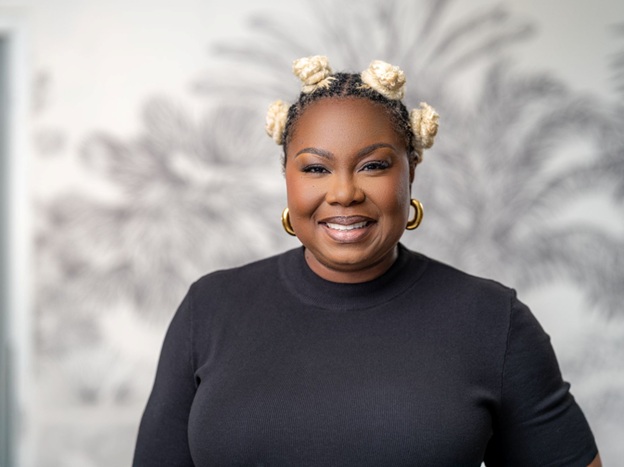
Inside Pelican Village in Bridgetown, Barbados, visitors are experiencing a fragrance experience that differentiates itself from traditional perfume retail. At the Fragrance Bar created by Tamara Gibson, scent is treated as cultural authorship. Guests do not simply purchase candles or diffusers. They compose them.
The Fragrance Bar is part of Native Caribbean, the first house of Caribbean perfumery. Highlighted as “Perfume made of the Caribbean, not in the Caribbean,” the fragrance house is where the Caribbean is the author of its own perfumery.
Native Caribbean builds fragrance from materials that have lived inside Caribbean households for generations. Cocoa, bay leaf, lemongrass, sugarcane, tobacco, nutmeg, and vetiver are part of everyday Caribbean life. For centuries, these ingredients existed in kitchens, medicine cabinets, and spiritual practices across the region. Native Caribbean translates them into niche luxury perfumery from a Caribbean frame of reference.
The Problem With How Caribbean Scent Has Traditionally Been Presented
For decades, Caribbean fragrance themes were often interpreted from the outside. Many brands reduced the region to simplified vacation imagery. Coconut, sea breeze, fruit cocktails, and resort aesthetics became the dominant language attached to Caribbean scent marketing.
Furthermore, the Caribbean has long supplied raw materials to global luxury markets while rarely controlling the final narrative around those ingredients. Sugarcane shaped economies, cocoa moved through European luxury houses, and spices travelled globally. But the region itself was hardly treated as the author of luxury perfumery.
Native Caribbean’s fragrances are composed in Barbados by Caribbean perfumers using ingredients that already hold meaning within Caribbean homes and rituals.
Gibson explains: “We are not a fashion brand with a scent on the side. We are not a souvenir. And we did not import perfumers from foreign countries to craft our fragrances. We trained our own so that we could build our own scent identity.”
The company places emphasis on ingredient integrity, founder authorship, and regional composition. Its debut Eau de Parfum collection includes Nutmeg & Cocoa, Plantation Gold, and Kill Devil, along with Discovery Kit collections, home fragrance products, and custom scent experiences.
Every fragrance uses an organic sugarcane alcohol base derived from the Caribbean sugar industry. The formulas are developed for warm Caribbean climates where projection and longevity behave differently than in colder regions.
The company also emphasizes slow development. “Each composition begins with something real: a material, a place, a ritual, or a moment that has shaped Caribbean life across generations. These references are studied, observed, and translated into scent with precision.”
Gibson describes the compositions as “cultural records” rather than seasonal releases.
The Fragrance Bar: A Retail Experience Built Around Composition
The Fragrance Bar at Pelican Village operates through private sessions where guests create custom candles, reed diffusers, and home fragrance products with guided support.
In this interactive process, guests explore a curated scent library like sandalwood, grapefruit, lavender, bamboo, rose, lemongrass, cocoa, and sugarcane-inspired accords.
Participants then build a composition that reflects memory, mood, or personal association. The final product is professionally packaged and can later be reordered as a personal signature scent. Inside the space, bridal showers, birthdays, corporate gatherings, and group celebrations regularly take place.
Other Services Customers Can Experience
At the Pelican Village location, visitors can access several fragrance-centered experiences and products:
- Private Fragrance Bar sessions.
- Custom candle pouring.
- Reed diffuser composition.
- Wax melt creation.
- Eau de Parfum collections.
- Home fragrance products.
- Corporate and hospitality gifting.
- Bridal and event scent experiences.
Hence, the retail world around Native Caribbean combines fragrance composition, Caribbean cultural references, and experiential retail into one environment.
Conclusion
The Fragrance Bar, created by Tamara Gibson, represents a broader trend in Caribbean luxury retail: scent is no longer merely decorative or a mere tourism image. It is a cultural language and a sign of authorship.
At Pelican Village, guests leave with more than a candle or diffuser. They leave with compositions tied to memory, identity, and place. In the niche fragrance world, this is another striking feature of Native Caribbean.
Through Caribbean ingredients, a Barbados-based formulation, and an experience focused on authorship, Native Caribbean continues to build a category that previously had little global definition: Caribbean perfumery composed from within the culture itself.