




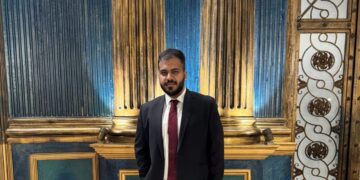



















For many students, higher education is a milestone. For others, it becomes a defining journey that reshapes their worldview and professional direction. For Abbos Mamatkulov, his years in Europe were not only about earning a degree, but about building an international identity grounded in education, mobility, and ambition.
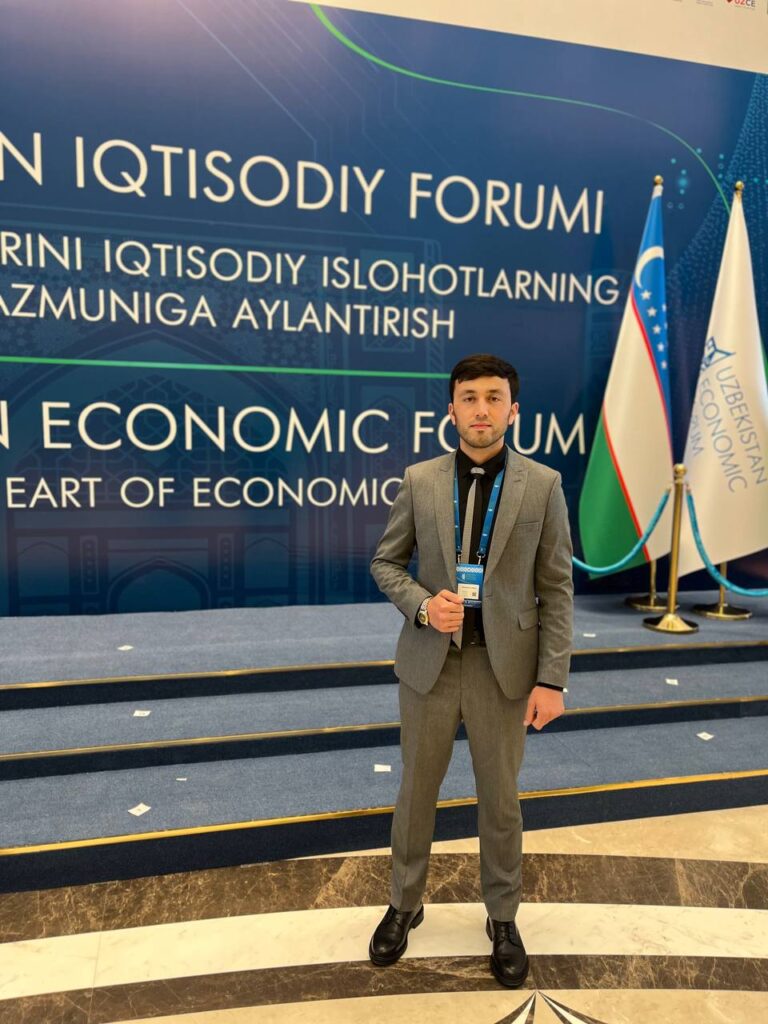
Born in Uzbekistan, Mamatkulov took a path that led him beyond national borders at an early stage of his academic career. Choosing to pursue his studies in Europe, he enrolled in a tourism-focused business program that would place him at the intersection of international education and a globally evolving industry.
A European Academic Foundation
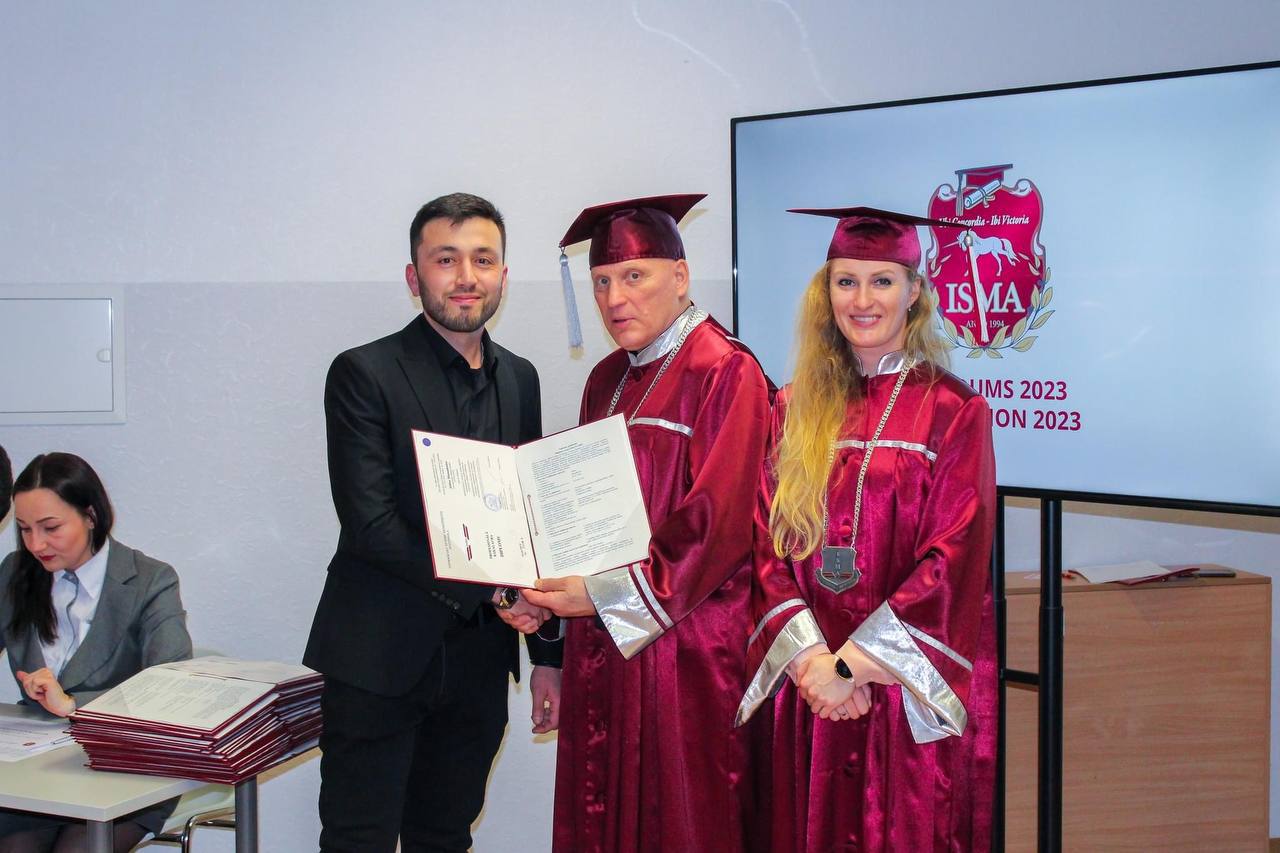
Mamatkulov completed his Professional Bachelor’s degree in Business Administration in Tourism at ISMA University of Applied Sciences, a higher education institution known for its international environment and focus on applied business education.
Studying in Latvia exposed him to a European academic system that emphasizes both theoretical understanding and practical application. His coursework covered key aspects of tourism and business, including destination management, tourism economics, and international market dynamics.
What made this experience particularly significant was not only the academic content, but the context in which it was delivered. Latvia, positioned within the European Union, offers students access to a broader academic network and a multicultural environment that reflects the diversity of modern tourism markets.
During his studies, Mamatkulov began to develop a deeper interest in how tourism functions as a strategic sector. Rather than viewing tourism solely as a service industry, he approached it as a system that connects economies, cultures, and global mobility.
Living and Studying Abroad
Relocating from Uzbekistan to Europe required more than academic readiness. It demanded adaptation to new cultural norms, educational expectations, and everyday life in a foreign country.
For Mamatkulov, this transition became an essential part of his development. Living in Europe meant learning how to communicate across cultures, manage responsibilities independently, and navigate unfamiliar systems. These experiences strengthened not only his academic performance but also his personal resilience.
Like many international students, he faced the challenges of balancing studies with life abroad. However, these challenges became opportunities to grow, shaping his ability to function effectively in international environments a key skill in the tourism and business sectors.
His time in Europe therefore extended beyond lectures and assignments. It became a period of transformation, where academic knowledge was combined with real-world experience.
Expanding Horizons Through Erasmus
A defining moment in his bachelor journey came through his participation in the Erasmus mobility program, which allowed him to study in the United Kingdom.
Erasmus is widely recognized as one of Europe’s most influential educational initiatives, designed to foster academic exchange and cultural integration. For Mamatkulov, this experience provided an additional layer of international exposure.
Studying in the United Kingdom introduced him to another academic system, offering new perspectives on tourism, business, and global markets. It also reinforced the importance of adaptability, the ability to adjust to different academic standards, teaching styles, and cultural environments.
This mobility experience expanded his understanding of how tourism operates across different regions and how education can vary within the same continent. It also strengthened his confidence in working and learning in diverse international settings.
Academic Growth and Early Focus
By the final stage of his bachelor studies, Mamatkulov had begun to shape a more defined academic and professional direction. His experiences in Latvia and the United Kingdom contributed to a growing interest in:
- tourism competitiveness
- destination development
- international business strategies
These interests reflect broader trends in global tourism, where destinations must continuously adapt to changing traveler expectations, technological developments, and economic conditions.
His academic work during this period demonstrated a shift from general study toward more analytical thinking. He began to examine tourism not just as a field of study, but as a complex system influenced by policy, business strategy, and international dynamics.
Achievements Beyond the Classroom
Mamatkulov’s achievements during his bachelor years cannot be measured solely by academic completion. They are better understood through the combination of education, international exposure, and personal development.
He successfully:
- completed a specialized tourism degree in a European academic environment
- participated in international mobility through Erasmus in the United Kingdom
- developed a cross-cultural and international academic profile
These accomplishments represent significant milestones, particularly for a student transitioning from Central Asia into European higher education.
They reflect not only academic progress, but also the ability to adapt, grow, and succeed in an international context.
Building a Global Perspective
One of the most important outcomes of Mamatkulov’s European education was the development of a global perspective. His experiences allowed him to understand how tourism operates across different regions and how international cooperation plays a role in industry development.
Coming from Uzbekistan, a country with growing tourism potential, he gained insights into how emerging destinations can learn from established markets. His education in Europe provided a comparative perspective that is essential for understanding global tourism trends.
This ability to connect local and global contexts is increasingly important in a world where tourism is shaped by both regional characteristics and international forces.
A Journey That Goes Beyond Borders
The story of Abbos Mamatkulov is not simply about studying abroad. It is about how education, mobility, and determination can shape a young professional’s path.
From Uzbekistan to Latvia, and through the United Kingdom, his bachelor years represent a journey defined by learning, adaptation, and ambition.
These experiences laid the foundation for his continued interest in tourism and international business, as well as his broader engagement with global academic and professional environments.
In a time when international education is becoming increasingly important, stories like his highlight the value of stepping beyond familiar boundaries and embracing new opportunities.