























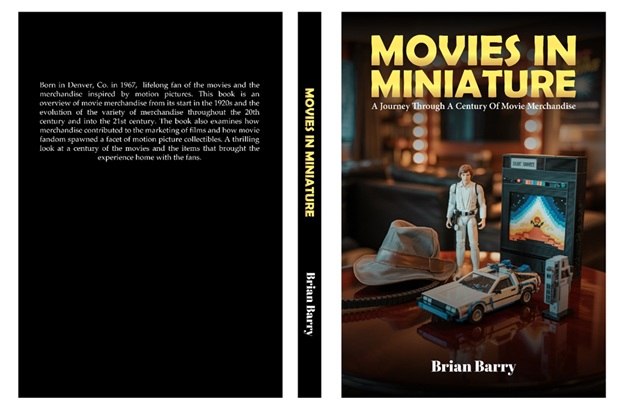
Brian Barry’s Movies In Miniature looks closely at the tough road R-rated movies faced when it came to licensed toys. For years, companies avoided them because of parent complaints and store policies. Barry lays out the timeline clearly. He shows how attitudes shifted step by step until detailed figures from horror and action films became normal on shelves. The change didn’t happen overnight. It took public acceptance, changing tastes, and bold toy makers to make it work.
Alien Became The First Big Test Case In 1979
Kenner signed on for Alien right after the 1979 release. They planned a small action figure line with the creature and crew members. The toy showed the facehugger leaping out just like in the film. Parents saw previews and protested hard. The graphic violence and adult rating made it seem wrong for kids. Stores pulled orders fast. Kenner scrapped most of the line before it really hit shelves. Only a few pieces made it out. Barry notes this as a clear warning sign. Toy companies got scared off from anything rated R for a long time after that.
Terminator And Robocop Pushed Boundaries In The Eighties
James Cameron’s The Terminator came in 1984 but no toys followed right away. The violence stayed too raw. Then Terminator 2 in 1991 changed things. The film had big action but more family appeal with the kid character. Kenner released figures of the T-800 and T-1000. They sold decently despite the rating. Robocop from 1987 got similar treatment later. Ultra Police figures appeared with armor and guns. The line included vehicles too. Public views softened a bit. Kids loved the cyborg cop even if the movie had blood and swearing. These early successes opened small cracks.
McFarlane Toys Took It Further With Horror Icons
Todd McFarlane started his Movie Maniacs line in the late nineties. He went straight for classics like Psycho, Friday the 13th, Halloween, and Nightmare on Elm Street. Figures came detailed with realistic sculpts and bloody accessories. Norman Bates stood next to his mother in the rocking chair. Freddy Krueger had his glove with real-looking blades. These weren’t aimed at little kids. They targeted adult collectors who grew up on those films. The line ran for years with multiple series. Stores carried them because the demand came from grown fans not parents buying for children.
Aliens And Predator Lines Found Their Audience In The Nineties
Aliens got a second chance with Kenner in the late eighties. Figures included the queen alien with her egg sac and facehuggers. They sold quietly to older kids and collectors. Predator followed with jungle hunter figures and weapons. The toys captured the creature designs without softening the menace. No big backlash this time. The films had built a fanbase that accepted the gore as part of the appeal. Barry points out how these lines proved R-rated material could work if marketed right.
Modern Lines Normalized Adult-Themed Collectibles
By the two thousands, companies like NECA and McFarlane kept going. They did Robocop with full armor detail, Starship Troopers bugs, and Spawn figures from the comic adaptation. Horror reboots got fresh toys too. The market split clearly. Kids got PG stuff while adults bought the darker pieces. Online stores helped reach collectors directly. No more relying only on toy aisles with strict rules. Fans could order exact replicas without worry.
Barry tells this story straight. He doesn’t judge or overexplain. He just shows the facts of how resistance turned into acceptance. Early failures like Alien taught lessons. Later wins proved the audience existed all along. Reading about it you realize toy lines now cover almost every genre because the hobby grew up with the fans. What once seemed impossible became standard.