




















The dynamic nature of performance management requires a more strategic approach than annual reviews alone. Businesses are moving towards more layered approaches to align employees’ performance with company goals, because current methods are insufficient. This is the problem Irial O’Farrell set out to investigate and rectify.
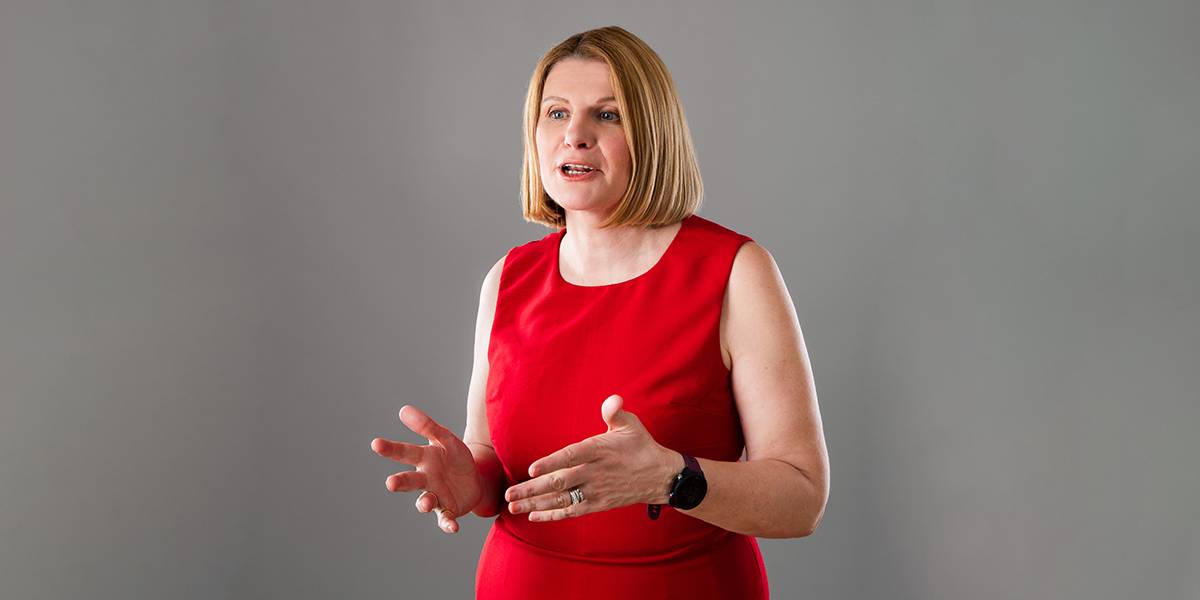
Irial O’Farrell is the founder of RODi HR and Evolution Consulting. For more than thirty years, she has helped businesses improve their performance through her strategic leadership, unconventional organizational design, and executive coaching. She is also the first and currently the only CMI-accredited master of change in Ireland.
For a long time, Irial noticed how organizations utilized reactive HR practices; she focuses on helping them move away from those practices to continuous performance alignment. She understands that performance management is not a once-a-year task. It is an ongoing discipline that connects strategy, culture, and talent development.
Rethinking Performance Management
Irial observed a significant gap in traditional performance reviews. In her words:
“Managers DON’T know what good looks like… that’s the problem!”
Her insight came from years of consulting with managers across seven industries. She realised many managers lacked clarity on expectations. This uncertainty slowed career growth, reduced productivity, and frustrated employees. Her approach reframes performance management as a continuous process. Essential elements of her approach are:
- Clear expectations: Managers and employees understand what success looks like. This means that they are extremely clear on outcomes and benchmarks.
- Regular conversations: Performance discussions happen throughout the year, not just once. Evaluations are not a yearly ritual but are intended to serve a tangible purpose.
- Career guidance: Employees know how to grow and step into new roles. They are also readied for future leadership roles emerging within the organization; succession planning is therefore not an afterthought.
- Aligned objectives: Individual goals tie directly to business strategy & progress regularly updated. Alignment serves a far greater and long-lasting purpose than it seems.
- Accelerated onboarding: New employees adapt to the company culture faster.
Irial’s RODi HR software supports these principles. It integrates talent development with business goals, helping companies track succession planning, learning and development, and employee engagement.
The Cost of Waiting
Many companies still rely on external recruitment for talent gaps. Irial highlights the risks of this approach:
- High salary costs: New hires often demand higher pay.
- High failure rates: Research shows 30% of external hires leave within a year.
- Poor alignment: Misaligned employees can damage culture and productivity.
- Hidden costs: Replacement costs can reach 200% of salary for management roles.
Developing internal talent reduces these risks. Investing in employees pays off faster and creates a more sustainable business. With RODi HR, businesses can:
- Identify high-potential employees early.
- Build a strong internal talent pipeline.
- Promote employees effectively.
- Ensure promoted staff succeed in new roles.
- Integrate new hires into the culture quickly.
Designing a Performance-Aligned Organization
Beyond people, Irial stresses the importance of organizational design. Companies often outgrow their structures as they grow. Without proper design, performance suffers. Her methodology focuses on:
- Strategy: Clear business vision and tactical plans.
- Structure: Processes and organization design that support strategy.
- Culture: Leadership behaviors that encourage growth and accountability.
- Capacity: Skills and development programs for managers and teams.
Irial’s process involves understanding business challenges, diagnosing root causes, and creating bespoke solutions. She has helped businesses from SMEs to multinational organizations improve performance and reduce inefficiencies. In her books, Irial discusses all these topics and pain points extensively. She has authored three business books and will release her fourth in late 2026.
With RODi HR, she is expanding her purpose and work even further; businesses can not only receive tailored guidance but also access a timeless roadmap of capability development aligned to business strategy.
Conclusion
Irial O’Farrell shows that performance management is more than a yearly review. It’s a continuous, integrated discipline. By clarifying expectations, developing talent internally, and designing effective organisations, businesses can achieve sustainable growth. Her approach helps companies reduce turnover, improve engagement, and ensure teams consistently deliver results.
A lot of executives and managers are ready to improve performance. RODi HR and Evolution Consulting offer a tested framework that works. Irial’s guidance turns reactive HR into proactive performance alignment, saving businesses time, money, and frustration.