























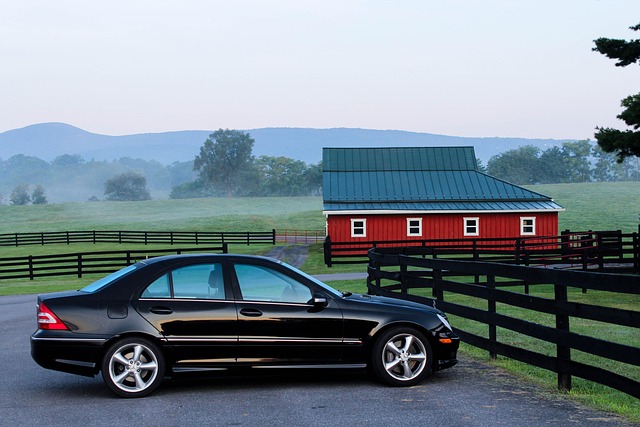
Few styling parts change the look of a car as quickly as a rear spoiler. A slim boot lip or a roof spoiler extension can make a standard hatchback or saloon look lower, sharper and closer to its performance sibling, usually in an afternoon rather than a week at a bodyshop.
Maxton Design Ltd is the company behind Maxton Design UK, the authorised UK dealer for the Maxton Design range. The parts themselves are designed and manufactured in Poland; the Leeds-based dealer handles sales, fitment questions and delivery for British customers. Spoilers are one of the most popular parts of the range, and choosing the right one involves more than picking the most dramatic shape. Here is what drivers looking at aerodynamic spoiler upgrades should know before they order.
What “aerodynamic style” really means
Spoilers come from motorsport, where they manage airflow and keep a car stable at very high speeds. On a road car driven at legal speeds, the effect is far more modest. The real benefit of a styling spoiler is visual: it finishes the rear of the car, emphasises its lines and gives it a more purposeful stance. That is not a criticism. Most drivers choose a spoiler because of how it makes the car look, and that is a perfectly good reason. Aerodynamic style is the language of motorsport applied to an everyday car, and the best designs use it with restraint.
The main types
A boot lip spoiler sits on the rear edge of a saloon or coupe boot lid and is the most subtle option. A roof spoiler, or roof spoiler extension, is used on hatchbacks and estates, sitting above the rear window and extending the line of the roof. Larger wing-style designs make a bolder statement and suit cars that already wear more aggressive bodywork. Each type changes the profile in a different way, so it helps to look at photos of the same model with each option before deciding.
Fitment comes first
Spoilers are shaped to follow one specific boot lid or tailgate, which makes them far more car-specific than most people expect. “Fits a Golf” or “fits a 3 Series” is not enough. Check the exact generation, whether your car is a pre-facelift or facelift version, and the body style, because a saloon, hatchback and estate version of the same model usually need completely different parts.
Trim level matters too. Sporty trims such as M Sport, S line, R-Line or ST often come with their own factory roof spoiler. Some aftermarket spoilers are designed as extensions that attach to that factory spoiler, which means they fit the sporty version and will not fit a base model without one. A good listing states this clearly, so read the fitment notes as carefully as the product title.
Materials and finishes
Most styling spoilers are made from ABS plastic, a tough and lightweight material that holds its shape well through British winters. Gloss black is the most popular finish because it matches the black trim already found on many modern cars and works with almost any paint colour.
Carbon fibre sits in a different tier. It is lighter, shows the weave of the material and suits builds that already use carbon details. It also costs more and may come with different returns terms, so check the conditions before ordering. Neither material is better in every case; it depends on the look you are after.
Fitting: tape, drilling or both
Many spoilers attach with high-strength automotive double-sided tape, while others need a few holes drilled for extra security. The listing or fitting instructions should tell you which method applies before you buy, because drilling into a boot lid or tailgate is a commitment some owners prefer to avoid.
Preparation decides the result. Dry-fit the spoiler without removing the tape backing, mark its position with masking tape, clean and degrease the surface thoroughly, and fit it in warm, dry conditions so the adhesive bonds properly. If you are not confident, a local bodyshop or detailer can usually do the job in under an hour.
Part of a bigger picture
A spoiler rarely looks finished in isolation. If you are planning a front splitter, side skirts or a rear diffuser later, choosing parts from the same range keeps the lines and finishes consistent. Planning the full look first, even if you buy one piece at a time, avoids mixing styles that do not quite match.
Before you order
Confirm your car’s generation, facelift status, body style and trim, check whether there is already a factory spoiler fitted, and read the fitting method and returns terms on the listing. If anything is unclear, ask the dealer before you buy. It takes five minutes, and it is far easier than returning a part that does not fit.