

























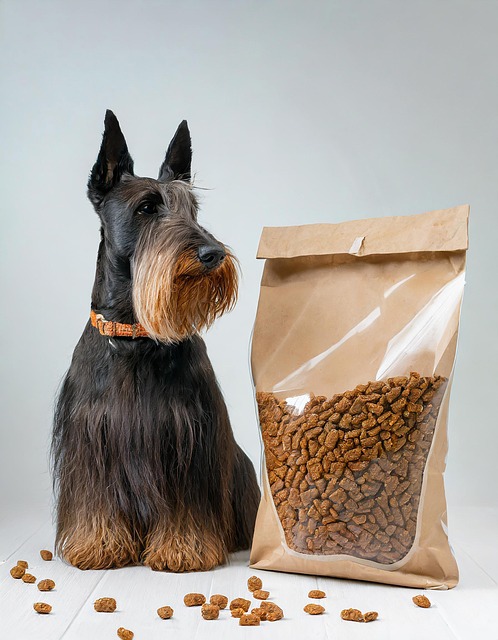
Canine food allergies affect approximately 1-2% of UK dogs, yet they’re frequently misdiagnosed or confused with environmental allergies. Food allergies trigger an immune system overreaction to specific proteins, most commonly beef, dairy, or chicken, causing persistent itching, digestive upset, and skin inflammation that conventional treatments cannot resolve.
Understanding the Immune Response Behind Canine Food Allergies
When a dog develops a food allergy, their immune system mistakenly identifies certain food proteins as dangerous invaders. According to research published by NC State Veterinary Hospital, this immune response triggers inflammation throughout the body, particularly in the skin and digestive tract. Unlike food intolerances, which involve digestive difficulties without immune involvement, true food allergies are an immunological condition requiring careful dietary management.
The proteins most likely to trigger allergic reactions are those dogs encounter frequently in commercial foods. Beef accounts for 34% of canine food allergies, making it the single most common allergen. Dairy follows at 17%, then chicken at 15%. Grains like wheat cause allergies less frequently than commonly believed, despite widespread misconceptions about grain-free diets being inherently healthier.
Food allergies can develop at any age, though they typically emerge between one and five years. Dogs aren’t born allergic to these proteins; instead, repeated exposure over months or years eventually triggers the immune system to react inappropriately. This is why puppies rarely show food allergy symptoms, and why a food that was previously well-tolerated can suddenly cause problems.
Primary Symptoms of Canine Food Allergies
The hallmark symptom of canine food allergies is persistent, year-round itching that doesn’t respond to standard flea or environmental allergy treatments. According to The Kennel Club, this pruritis typically concentrates around specific body areas rather than generalised scratching.
Most Common Affected Areas:
| Body Area | Symptom Presentation | Frequency (%) |
| Ears | Recurrent infections, head shaking, redness | 80% |
| Paws | Licking, chewing, redness between toes | 75% |
| Face and muzzle | Rubbing, redness, hair loss | 65% |
| Groin and armpits | Inflamed skin, moisture, odour | 60% |
| Tummy | Rashes, redness, scratching | 55% |
Dogs with food allergies often develop secondary skin infections because constant scratching damages the skin barrier, allowing bacteria and yeast to proliferate. According to veterinary dermatologists at Leicester Skin Vet, approximately 60% of food-allergic dogs develop secondary bacterial or yeast infections that require concurrent treatment.
Gastrointestinal symptoms occur in approximately 30% of dogs with food allergies. These signs include chronic soft stools, increased defecation frequency (3-5 times daily instead of 1-2), occasional vomiting, and excessive flatulence. The digestive symptoms may appear alongside skin issues or occur independently.
Food Allergy vs Food Intolerance: Critical Distinctions
Food allergies and food intolerances produce different symptoms and require different management approaches, yet they’re frequently confused in general veterinary practice. A food allergy is an immune-mediated response involving antibodies, inflammatory cells, and histamine release. A food intolerance is a non-immunological digestive reaction to specific ingredients.
According to Hill’s Pet UK, food intolerances primarily cause gastrointestinal symptoms localised to the digestive tract. Dogs with intolerances typically experience bloating, wind, stomach discomfort, soft stools, or increased defecation frequency without the skin symptoms characteristic of allergies. Food intolerances can also affect other body systems, causing lethargy or behavioural changes in some dogs.
Key Differences:
| Characteristic | Food Allergy | Food Intolerance |
| Immune system involvement | Yes – immune-mediated response | No – digestive issue only |
| Primary symptoms | Skin itching, ear infections, rashes | Digestive upset, flatulence, soft stools |
| Symptom onset | Can occur with small amounts | Often dose-dependent (more food = worse symptoms) |
| Severity | Can be severe, potentially dangerous | Generally mild to moderate discomfort |
| Diagnostic approach | Elimination diet trial essential | May respond to gradual dietary adjustments |
Lactose intolerance is common in adult dogs because they produce less lactase enzyme after weaning, making dairy difficult to digest. This isn’t a true allergy, though dairy proteins can also trigger genuine allergic reactions in some dogs. The distinction matters because intolerances may improve with enzyme supplementation or gradual exposure, while allergies require complete avoidance of trigger proteins.
Diagnostic Testing Methods for UK Dogs
UK veterinary surgeons strongly discourage blood and saliva tests marketed for food allergy diagnosis. According to PDSA, these commercial tests are unreliable and frequently produce false positives, leading owners to unnecessarily restrict their dog’s diet or waste money on inappropriate treatments.
The only reliable diagnostic method is an elimination diet trial, considered the gold standard by veterinary dermatologists worldwide. This process involves feeding a carefully selected diet containing proteins and carbohydrates your dog has never encountered before, while simultaneously eliminating all other food sources for 8-12 weeks.
During the elimination phase, dogs cannot receive any treats, table scraps, flavoured medications, dental chews, or even flavoured heartworm preventatives. According to VCA Animal Hospitals, even tiny amounts of allergenic protein can perpetuate symptoms and invalidate the trial results, which is why strict compliance is crucial.
If symptoms improve significantly during the elimination period, the original diet is reintroduced in a process called “provocation.” If symptoms return within 7-14 days of reintroduction, a food allergy is confirmed. Your veterinary surgeon can then systematically reintroduce individual ingredients to identify specific trigger proteins, though many owners choose to maintain the elimination diet long-term rather than risk symptom recurrence.
Veterinary surgeons will first rule out more common causes of similar symptoms, including flea allergies, environmental allergies, skin infections, and parasites, before recommending an elimination diet trial. This diagnostic hierarchy is essential because food allergies are relatively rare compared to other causes of itching and digestive upset.
Common Food Allergens in Dogs
Animal proteins dominate the list of canine food allergens, primarily because they’re ubiquitous in commercial dog foods and dogs develop allergies through repeated exposure. According to research published in BMC Veterinary Research, the most frequently identified food allergens in dogs include beef, dairy products, chicken, wheat, and lamb, though virtually any protein can potentially trigger allergic reactions.
Beef’s position as the top allergen reflects its prevalence in both premium and economy dog foods, meaning most UK dogs receive beef proteins from puppyhood onwards. This prolonged exposure increases sensitisation risk. Similarly, chicken features in countless “sensitive stomach” formulations, making it another frequent allergen despite marketing claims that it’s gentle on digestion.
Grains cause fewer allergies than meat proteins, contrary to popular belief fuelled by grain-free marketing. According to Dogster, wheat accounts for only about 13% of canine food allergies, far less than beef or dairy. The grain-free trend arose from misconceptions about canine nutrition rather than evidence-based veterinary research.
Novel proteins less commonly encountered in commercial foods rarely cause allergic reactions, which is why elimination diets often use ingredients like kangaroo, venison, duck, or rabbit. Plant proteins from peas, lentils, or soy can occasionally trigger allergies in susceptible dogs, but these reactions are relatively uncommon compared to animal protein allergies.
Cross-contamination during manufacturing presents another challenge for allergic dogs. Foods processed in facilities that also handle chicken or beef may contain trace amounts of these proteins, sufficient to trigger reactions in highly sensitive dogs. Omni’s plant-based dog food eliminates this concern by using exclusively plant-based ingredients, avoiding all common animal-protein allergens in a single dietary approach.
Hypoallergenic and Elimination Diet Options
Hypoallergenic diets form the cornerstone of food allergy management in UK dogs, using either novel proteins or hydrolysed proteins to avoid triggering immune responses. Novel protein diets contain meat or fish sources dogs haven’t previously encountered, such as venison, kangaroo, duck, or unusual fish species. These proteins are theoretically safe because the immune system hasn’t developed antibodies against them.
Hydrolysed protein diets use enzymatic processes to break proteins into molecular fragments too small for the immune system to recognise. According to MedVet, these prescription diets are highly effective for managing confirmed food allergies, though they’re considerably more expensive than standard commercial foods and palatability can be an issue for some dogs.
Plant-based diets represent an increasingly popular alternative that naturally eliminates all common animal-protein allergens. Because beef, chicken, dairy, lamb, and fish account for the vast majority of canine food allergies, a nutritionally complete plant-based diet sidesteps these triggers entirely while providing adequate protein from sources like peas, lentils, and soy.
UK veterinary nutritionists emphasise that any elimination or hypoallergenic diet must be nutritionally complete and balanced for long-term feeding. Home-cooked elimination diets require professional formulation to prevent nutritional deficiencies, particularly in calcium, essential fatty acids, and certain vitamins. Commercial hypoallergenic diets formulated by veterinary nutritionists offer convenience and nutritional adequacy without requiring owner expertise.
Transitioning to a new diet should occur gradually over 7-10 days to minimise digestive upset, though this extended transition isn’t strictly necessary with hypoallergenic diets if your dog’s symptoms are severe. During the elimination trial, absolutely no other food sources are permitted, which means investigating all family members’ interactions with the dog to ensure compliance.
Managing Canine Food Allergies Long-Term
Once specific food allergens are identified, management centres on permanent dietary modification to avoid trigger ingredients. According to veterinary dermatologists, dogs don’t outgrow food allergies, meaning lifelong dietary restriction is essential for symptom control. This requires vigilance from owners to scrutinise ingredient labels, avoid table scraps containing allergenic proteins, and communicate dietary restrictions to anyone who interacts with the dog.
Secondary skin infections require concurrent treatment alongside dietary changes. Bacterial infections may need antibiotic therapy, while yeast infections typically respond to antifungal medications. Topical treatments including medicated shampoos containing chlorhexidine or antifungal agents can help manage secondary infections while dietary changes address the underlying cause.
Omega-3 fatty acid supplementation supports skin barrier function and reduces inflammation in allergic dogs. According to veterinary dermatology research, EPA and DHA from marine sources can moderately reduce itching and improve skin condition, though they’re supplementary to dietary management rather than primary treatment. Plant-based omega-3 sources (ALA from flax or chia) require conversion to EPA and DHA, making them less efficient than marine sources.
Regular veterinary monitoring ensures the selected diet provides adequate nutrition long-term and symptoms remain controlled. Annual blood work can identify nutritional deficiencies before clinical signs develop, while skin examinations check for secondary infection recurrence or other dermatological issues. Omni provides nutritionally complete plant-based formulations developed with veterinary nutritionists, offering a natural solution that eliminates common allergens while supporting overall health.
Environmental modifications can reduce concurrent allergies that compound food allergy symptoms. Using hypoallergenic bedding, reducing household dust, and managing flea prevention rigorously all contribute to improved skin health. While environmental allergies and food allergies are distinct conditions, many dogs suffer from both, making comprehensive allergy management essential.
Frequently Asked Questions
What are the most common symptoms of canine food allergies?
The most common symptoms of canine food allergies include persistent itching (pruritis), particularly around the ears, paws, tummy, and face. Dogs may also develop red, inflamed skin, recurrent ear infections, hair loss, and gastrointestinal signs such as vomiting or diarrhoea. According to veterinary research, skin problems are the primary indicator in most food allergy cases, affecting up to 85% of dogs with confirmed food allergies.
What’s the difference between a food allergy and a food intolerance in dogs?
A food allergy involves the immune system mistakenly identifying a food protein as a threat, triggering an inflammatory response. A food intolerance does not involve the immune system and typically causes localised digestive issues like wind, bloating, soft stools, or increased defecation frequency. Food allergies commonly present with skin symptoms (itching, rashes), while intolerances primarily cause gastrointestinal discomfort. Both conditions require dietary management, but allergies are potentially more serious.
Which foods cause the most allergies in dogs?
Beef is the number one food allergen in dogs, affecting 34% of dogs with food allergies. Dairy products are the second most common culprit at 17%, followed by chicken at 15%. Other frequent allergens include wheat, lamb, egg, soy, and corn. These proteins are common in traditional dog foods, which is why many dogs develop sensitivities after prolonged exposure. Plant-based diets can eliminate these common animal-protein allergens entirely.
How are canine food allergies diagnosed in the UK?
The gold standard for diagnosing canine food allergies is an elimination diet trial, which UK vets recommend as the most reliable method. Blood and skin tests for food allergens are generally unreliable and not recommended. An elimination diet involves feeding a novel protein or hydrolysed protein diet for 8-12 weeks, during which no other foods, treats, or flavoured medications are given. If symptoms improve and return when the original diet is reintroduced, a food allergy is confirmed.
Can hypoallergenic dog food help with food allergies?
Hypoallergenic dog food can be highly effective for managing canine food allergies when properly selected. These diets either use novel protein sources your dog hasn’t encountered before, or hydrolysed proteins broken down into molecules too small to trigger an immune response. Plant-based diets are naturally hypoallergenic as they eliminate common animal-protein allergens like beef, chicken, and dairy. The key is selecting a diet that excludes your dog’s specific trigger ingredients while providing complete nutrition.